
I cry easily, almost as easily as I did way back when. It’s a triggered response. Not everything makes me cry, but whatever does—an unbidden recollection, an unwelcome piece of information, a devastating image, a piece of music; really, anything that has to do with loss—and I am ready to weep. More than seventy years on this planet and I still can’t locate, much less disable, that switch. Believe me, I’ve tried.
The best I’ve been able to manage is a near immediate follow-up response that muffles the reaction and keeps the wave from becoming a tsunami, at least in public. I’m not entirely successful at stopping the churn, but I’ve learned to take it down to watery eyes and a choked voice.
April was a cold and rainy month; there were sorrows aplenty. I had shoulder surgery, a good thing but an event that rendered me temporarily more vulnerable and less independent, despite help from wonderful friends. The international and national news pulled me low. The unexpected death of my friend of forty-seven years was a gut punch (although the quiet and dignified way in which his wife, also a dear friend, has handled her loss is a lesson in living with sorrow that is both informational and inspirational). The steady decline of my beloved dog Molly is a daily challenge.
For the record, I laugh, out loud, both publicly and privately. Well, more a giggle or a chuckle, an occasional guffaw or snort. It helps. Singing and dancing are also good for the soul, especially for someone who spends as many hours alone as I do. Sometimes, in the company of friends, I marvel at how I can be so experienced in grief and loss, yet laugh so freely. I appreciate the contradiction, appreciate that something outside me can pull that sound out of me or that I can find it within me.
In the last few years, we’ve all experienced more pain than joy. I’m told that’s to be expected at this time of my life. I don’t like thinking that way. Instead, I remind myself that crying is a release, that my reaction is a sort of cleansing process, that it’s probably good for me (as long as it doesn’t go on forever, I suppose), that holding it in isn’t healthy, and that if my friends can’t handle it, I should get new ones. That I still have more joy to discover.
I hope so. My constant companion, has a host of neurological, cognitive, and physical issues that may not yet threaten her life but negatively affect her quality of life. Pharmaceuticals help, as does abundant patience on my part. Periodically, I’m asked by the vet to measure the ratio of joy and curiosity to pain and apathy in her life. I will likely have to decide when it’s time for her to go, with her help.
Cue the tears.
Meanwhile, in the here and now, Molly wakes from her long nap. She’s gotten up and trotted over, tail wagging and eyes bright as if to ask, “What’s happening?” or maybe “What’s to eat?”
I laugh out loud.
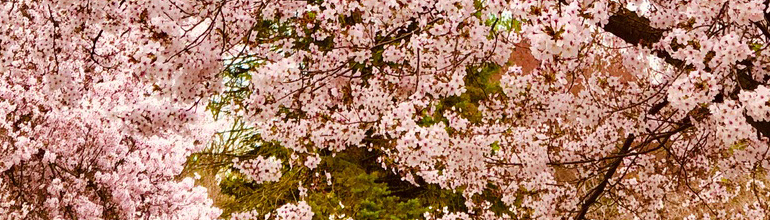
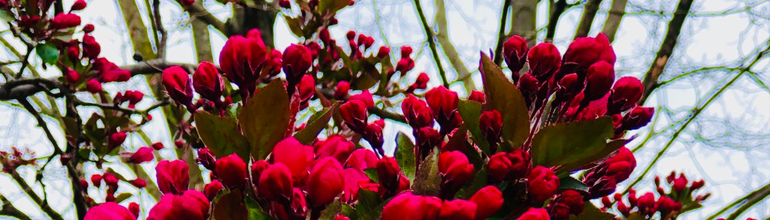
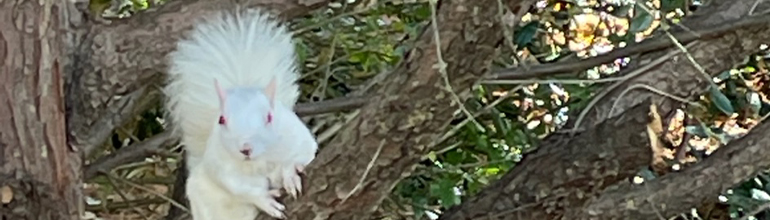
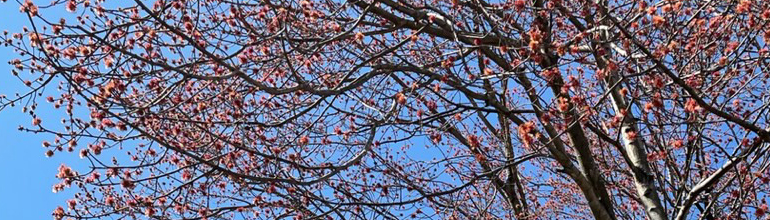
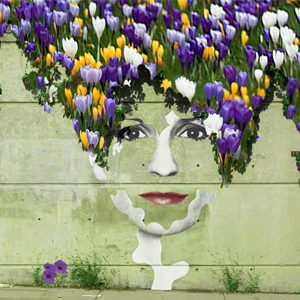 Spring is all about the new—new growth, new life, new freedom from coats, gloves, and bare branches. It serves as a metaphor for hope. While it may be challenging to spark joy in the darkest months of the year, halfway through March, I start to feel uplifted. Foolish perhaps but also necessary.
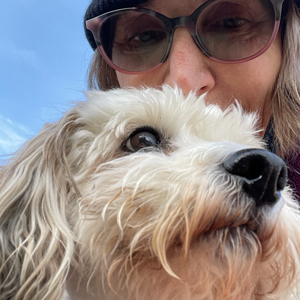 She’s napping now. She looks so peaceful. She’ll wake up hungry soon. The new medicine does that to her. It also reduces pain and, we hope, whatever thing may be pressing against parts of her brain or her inner ear. Maybe fluid, maybe a growth. Her ailments are both known and unknown. The arthritis is obvious. The neurological issue is less clear-cut. Unfortunately, an MRI is out of the question, given her age and the fact that she is a dog.
 Molly is an expert at living for the now. It’s not great when the now hurts, but as soon as it doesn’t, she’s all in. Maybe her will or her interest in whatever life has to offer keeps her going. Perhaps instinct kicks in. Animals may well have a mantra: “Look alive; it’s how you survive.”