(reposted from July 2014)
Last week I took two Pilates lessons, biked 10 miles, worked in my garden, painted two walls, wrote 6000 words on my new novella, recorded a podcast, drove to the beach, drove to New York and went out to dinner.
I’m still getting older. . . and now my back hurts.
Getting older, as the popular meme has it, is not for sissies. Of course, advertising agencies are bound and determined to counteract that message with a line of persuasive arguments that taking this or that medicine can restore you to full function and make you content, if not happy with your life.
Ever notice how very slowly the people in those ads are moving? Sure, it beats not moving at all, but that’s setting the bar a little low.

Don’t we wish we could all age like this?
The hardest part about growing older is not physical or mental but social. We live in a youth-oriented society. We pretend otherwise, especially as advertisers are lately realizing it’s the older folks who have the disposable income. This may explain how it is they come up with phrases like “golden years” and hawk cruises for couples and Viagra for gray-haired men and their much younger-looking wives.
But most people in the senior citizen demographic can’t help notice how invisible they become as they age. For women, it’s just north of sixty, for men a little later but eventually, older citizens are just so many short people behind the wheels of large cars. Or as one millennial said of the Who, “They’re just old guys playing soundtracks from TV shows no one watches.” Now THAT hurts.
“Age is a number,” my (mostly younger) friends like to say. But age is a way to measure how much time you’ve had and how much time you have left. In this country, the former is scarcely honored and the latter induces a panic that fuels both the pharmaceutical and cosmetics industries. Even so, it’s difficult, when you’re looking around, not to notice not being noticed.
Aging in a first world country is a first world problem, if you’re lucky—that is; if you have insurance and someone you can guilt or hire into looking after you in your declining years. Before then, sagging skin, minor aches and a dearth of fashion choices aren’t even close to critical in a world where so many of the very young and very old are so very vulnerable.
Still, I spend a lot of time thinking and it’s pretty hard to avoid thinking about infirmity, loneliness, mortality, and yes, even relevance. One moves from wanting to contribute something (and be recognized for doing so) to hoping not to be too much of a drain. It’s not a fun journey.
This ruminating goes on largely out of sight. I promised myself I would age gracefully, or at least graciously. I mentor, I share, I don’t dwell on the good old days or reflexively disparage “all” young people; heck, I’ve even got friends representing several generations. I take my role as village elder seriously.
Of course, I also promised myself not to get cranky as I get older and I’m having difficulty keeping that promise. It helps that I recognize my bad mood as based less on pain and immobility (yet) than on fear and projection.
There are gilt-tinged nuggets and rays of sunlight in the dismal dreariness of time’s march. I’m generally less stressed, far less competitive (if I ever really was) and (big change) far less concerned with what people think of me. This allows me to render opinions that gain in clarity and conviction what they may have lost in influence or reach.
So while I don’t cry out “Bring it on!” (as if I had a choice in the matter), I am learning to take a quieter sort of satisfaction in the way I’m meeting my new, older self—with a mixture of attention, adjustment and acceptance. It’s not hubris, or if it is, it’s tempered by the humility that comes from understanding the fragile nature of one’s existence.
Still. . . those walls didn’t paint themselves.

Geraldine Doyle, model for WWII “We Can Do It!” poster at age 85.
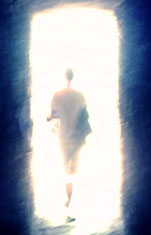 I thought about my protagonist as I recently tuned into yet another show about what lies beyond. Television writers and producers appear fond of the idea that we can reach out to, talk with or even resurrect the dead. Every show features a skeptic (always a person of science), a believer (usually associated with a classic religion like Catholicism), a child (because they are more open to what is inexplicable—or maybe more easily manipulated) and some new age person who assures the ones who are grieving that their beloved is “happy.” Honestly, though, the focus isn’t about the comfort of the departed souls but about comforting the survivors. Once we let go of the idea the deceased might be suffering in some unspeakable place or wandering aimlessly about, the needs of those puzzling over life and death become paramount. They’re the ones left behind to hurt and also to fret about what happens next. The departed presumably already know.

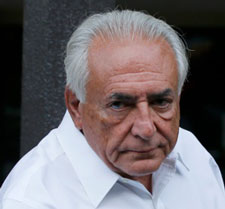 Dominique Strauss-Kahn, former head of the International Monetary Fund
 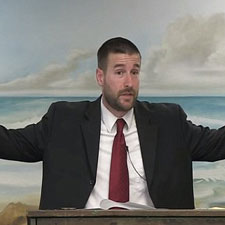 An Arizona preacher
  The government of Myanmar, reacting to an international outcry, has agreed to
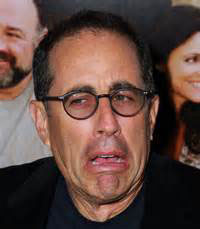 Jerry Seinfeld, among several comedians, expressed his concern